Think critically with AI
Think critically with AI
When
When
Feb - Mar 2026
Feb - Mar 2026
Role
Role
Product designer
Product designer
Team
Team
3 designers
3 designers
🥈 2nd place UDesignathon 2026
🥈 2nd place UDesignathon 2026
🥈 2nd place UDesignathon 2026
Overview
Overview
Overview
Think clearly with AI-assisted writing
We supported critical writing through earned AI access and task-specific recipes. This project aimed to reduce AI hallucination and computational waste by cultivating responsible users who can think independently.
We supported critical writing through earned AI access and task-specific recipes. This project aimed to reduce AI hallucination and computational waste by cultivating responsible users who can think independently.

Initial brief
Initial brief
Deepfakes distort people’s realities and have a negative impact on the environment.
As generative AI evolves rapidly, there is an exponential rise in augmented and distorted versions of the real-world. People are becoming more susceptible to AI-generated realities. To make matters worse, these fake realities are created at great risk to our global water supply and air quality.
As generative AI evolves rapidly, there is an exponential rise in augmented and distorted versions of the real-world. People are becoming more susceptible to AI-generated realities. To make matters worse, these fake realities are created at great risk to our global water supply and air quality.
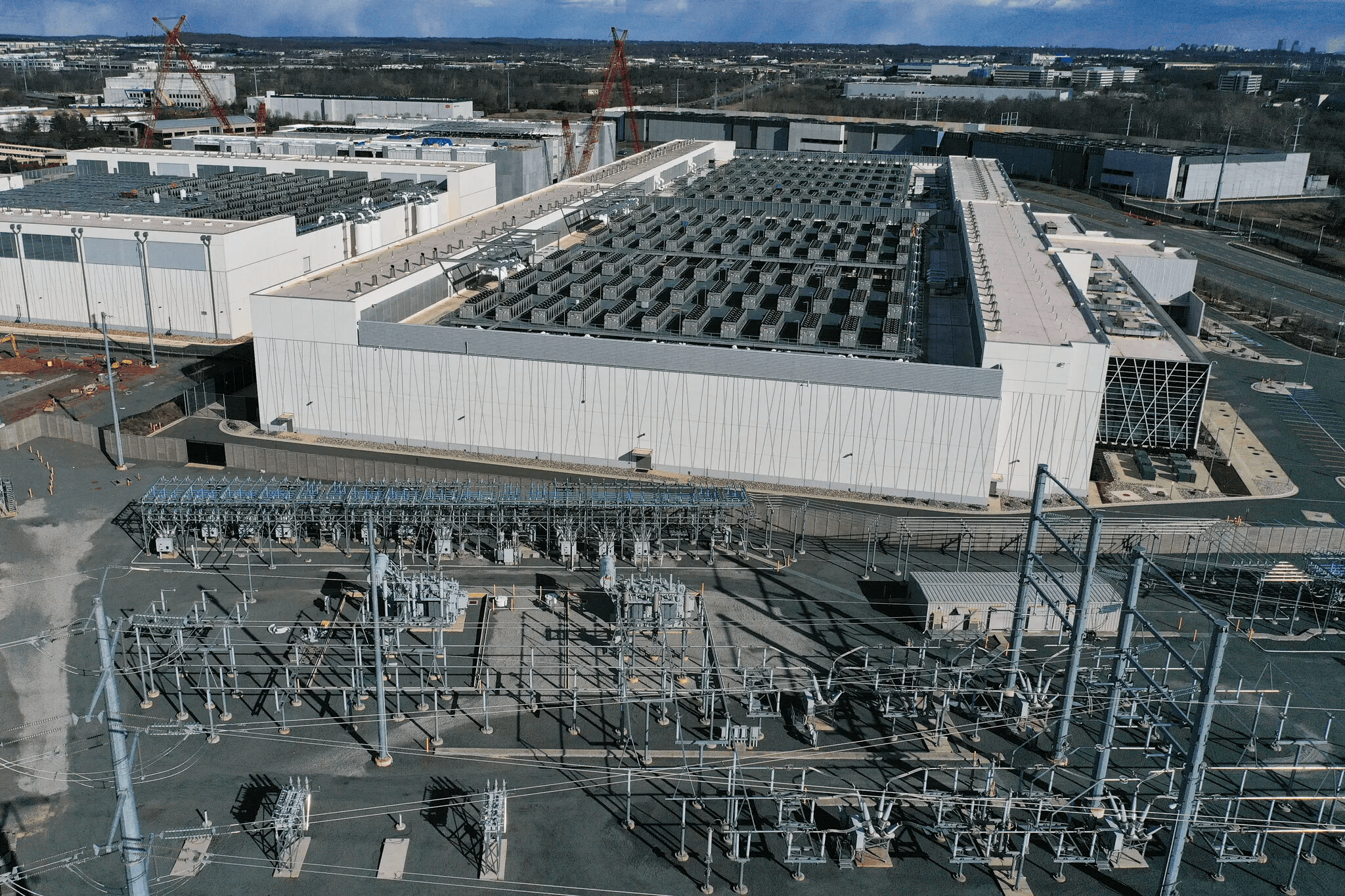
Large A.I. data centers — from How Bad Is A.I. for the Climate?
Large A.I. data centers — from How Bad Is A.I. for the Climate?
Large A.I. data centers — from How Bad Is A.I. for the Climate?
How can we...
How can we...
create a future we actually want to live in, both online and offline?
Understanding
Understanding
Sustainability touchpoints in AI usage
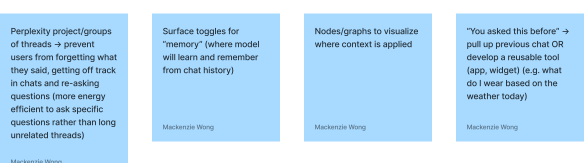
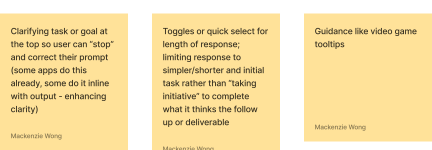
Our initial thoughts centralized around 2 areas: mindful AI usage and environmental awareness. Lower AI usage will reduce hallucination possibility and environmental impact.
Our initial thoughts centralized around 2 areas: mindful AI usage and environmental awareness. Lower AI usage will reduce hallucination possibility and environmental impact.

Contextual responses/Chat and history organization/mental model support of overall workspace
In-task/chat controls and feedback
AI Footprint
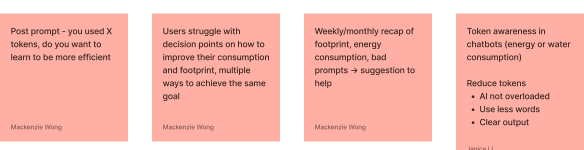
Contextual responses/Chat and history organization/mental model support of overall workspace
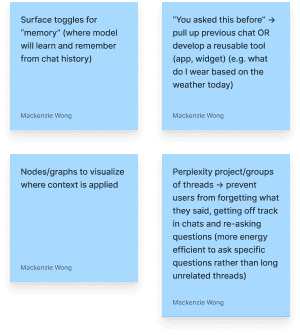
In-task/chat controls and feedback
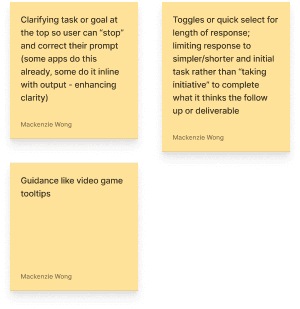
AI Footprint
Contextual responses/Chat and history organization/mental model support of overall workspace
In-task/chat controls and feedback
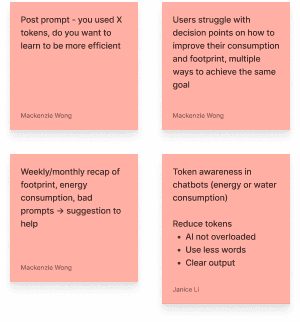
AI Footprint
Recurring insight
Recurring insight
Where can we intervene meaningfully? The First Prompt Is the Highest-Impact Decision Point
Through our conversations with friends and families, we realized that inefficiency often starts at the prompt. People quickly type whatever is on their mind, and the result is often a misspelled one-liner.
Through our conversations with friends and families, we realized that inefficiency often starts at the prompt. People quickly type whatever is on their mind, and the result is often a misspelled one-liner.
Users are most motivated at the beginning
Defines trajectory and context of the thread
Prevent repeated clarification cycles
If users prompt well from the start, they do not have to use as many AI tokens.
Discovery
Discovery
When should we intervene? Users want to stay involved in the prompting process
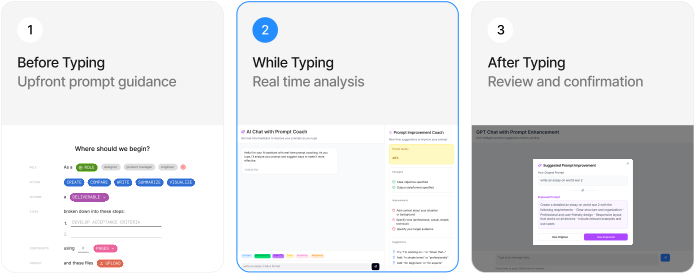
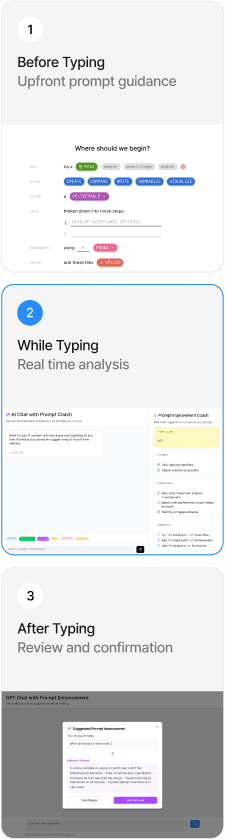
To support how users write their first prompt, we needed a way to communicate prompting best practices. We started rapid prototyping with Figma Make and tested several design explorations. Users showed strong preference for real-time and actionable feedback.
To support how users write their first prompt, we needed a way to communicate prompting best practices. We started rapid prototyping with Figma Make and tested several design explorations. Users showed strong preference for real-time and actionable feedback.
Technical implication
Technical implication
Using AI to solve AI issues
To generate real-time feedback tailored to each user, we needed to integrate AI in the backend. However, this would increase AI usage, which conflicts with our goal of reducing overall AI consumption.
To generate real-time feedback tailored to each user, we needed to integrate AI in the backend. However, this would increase AI usage, which conflicts with our goal of reducing overall AI consumption.
The pivot
The pivot
Task Efficiency → Critical and Independent Thinking
We refocused on user-centric and nuanced design, building on 2 pillars: autonomy and positive reinforcement.
We refocused on user-centric and nuanced design, building on 2 pillars: autonomy and positive reinforcement.
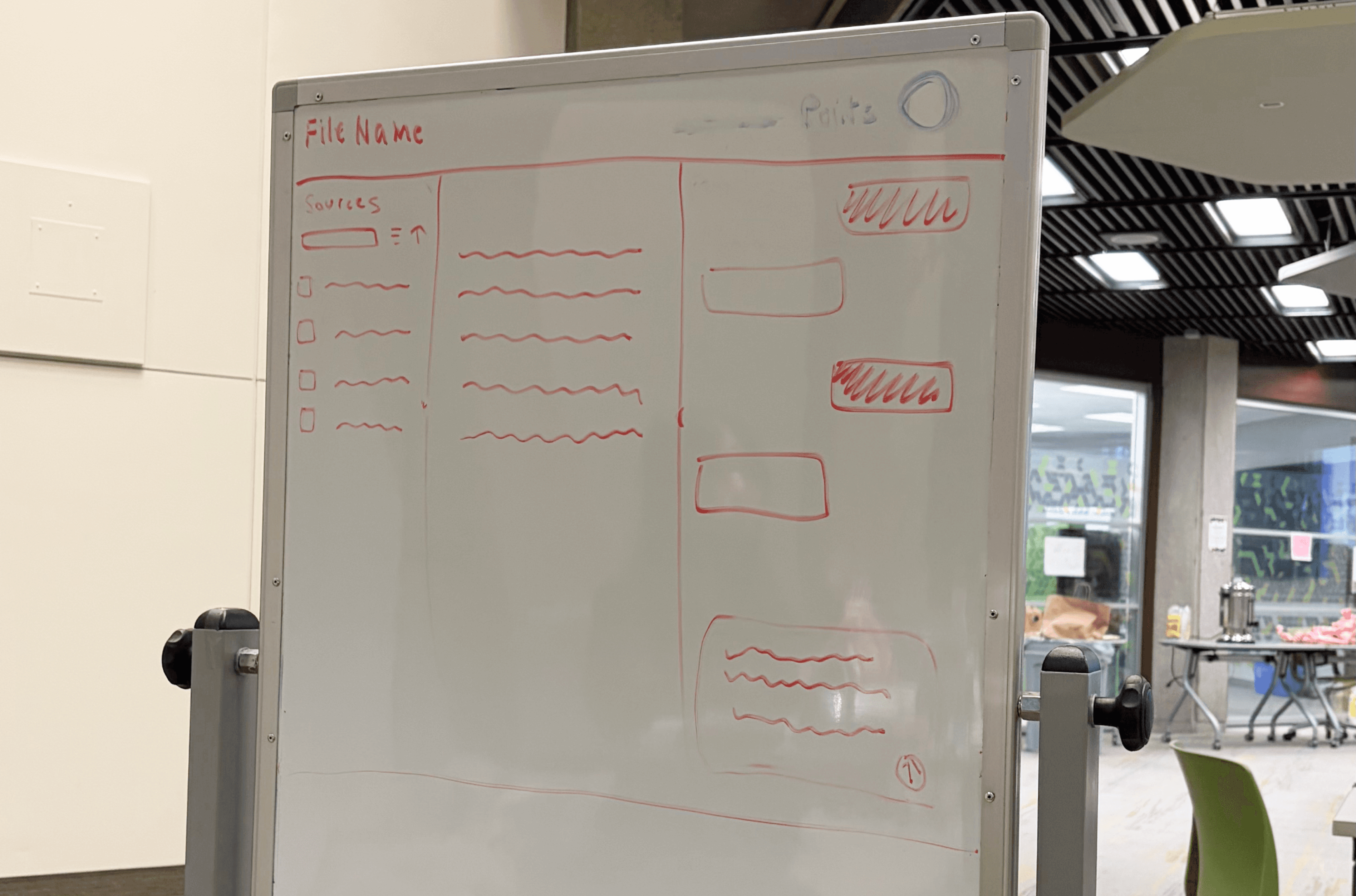
Our initial sketch on the idea!
Our initial sketch on the idea!
Our initial sketch on the idea!
How might we...
Cultivate and support responsible users?
Design
Design
Incentivizing autonomy through earned AI access
Users earn credits for AI usage through independent writing (word counts) or revision (time spent thinking). Before delegating to AI, users are encouraged to exercise their own thinking first.
Users earn credits for AI usage through independent writing (word counts) or revision (time spent thinking). Before delegating to AI, users are encouraged to exercise their own thinking first.
Intentional friction and task-specific recipes
Support comes in the form of challenge. Instead of giving a black-and-white answer, AI guides them towards deeper self-reflection and helps uncover any assumptions they may have. This builds self-efficacy through user-driven actions.
Support comes in the form of challenge. Instead of giving a black-and-white answer, AI guides them towards deeper self-reflection and helps uncover any assumptions they may have. This builds self-efficacy through user-driven actions.
A comparative choice for spending credits via gamification
We presented a tangible tradeoff to encourage conscious decision making. Moody characters brought a sense of human in an AI-supported environment. Users can choose to spend their credits on AI or digital trinkets.
We presented a tangible tradeoff to encourage conscious decision making. Moody characters brought a sense of human in an AI-supported environment. Users can choose to spend their credits on AI or digital trinkets.
Critique
Critique
Will users be motivated to adopt the application?
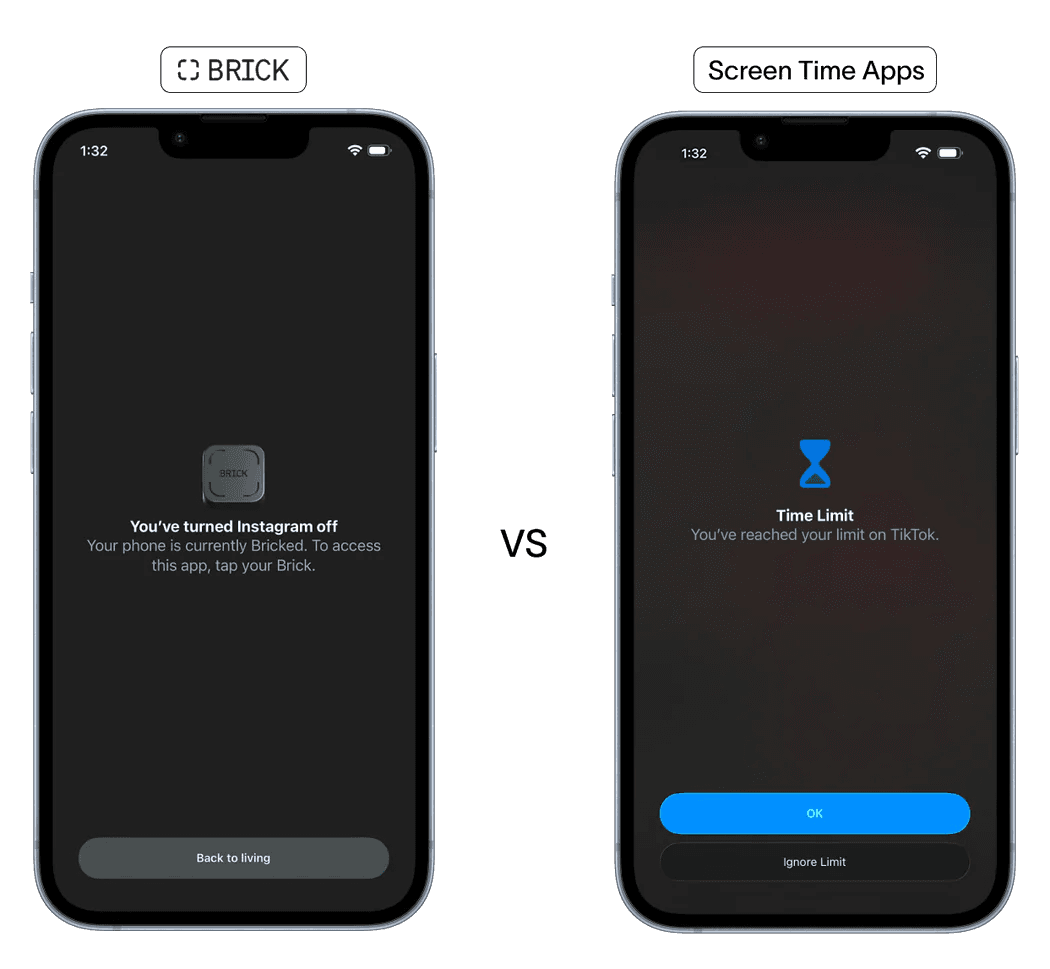
When we think about adjacent products, we think about Screen Time Limit, Tree-growing apps or a physical Brick that all serve to reduce time spent on our phones. Users actively look for solutions to take back control of their time. We believe that users are internally motivated to make progress on their writings.
When we think about adjacent products, we think about Screen Time Limit, Tree-growing apps or a physical Brick that all serve to reduce time spent on our phones. Users actively look for solutions to take back control of their time. We believe that users are internally motivated to make progress on their writings.
Learnings
Learnings
What is the real problem here?
Our group felt lost and stay conflicted after having multiple debates on the direction of the solution. As we stopped being precious about our ideas and let the problem guide us, we were able to drill down the root issue.
Our group felt lost and stay conflicted after having multiple debates on the direction of the solution. As we stopped being precious about our ideas and let the problem guide us, we were able to drill down the root issue.
Seek feedback early and often
The conversations we had with friends and mentors have widened our perspectives and grounded us in people-first design.
The conversations we had with friends and mentors have widened our perspectives and grounded us in people-first design.